Massage en Tarifa — Holistic Therapist
Ana Casuso 📱 +34 620 522 693
Languages: ES | EN | IT
Looking for massage in Tarifa?
Here you’ll find my preferred holistic therapies and massages designed to elevate your wellbeing.
Massage & Therapy Overview
These therapies combine bodywork and conscious support to help release physical tension, regulate the nervous system, and promote emotional wellbeing. Each session is adapted to individual needs, aiming to restore balance, mobility, and deep rest. They are offered as complementary wellness practices focused on improving body awareness and overall quality of life.
Sports massage focuses on releasing muscular overload, supporting recovery, and maintaining movement functionality after physical activity. Specific techniques — sometimes deeper — are applied to different muscle groups to restore elasticity, circulation, and coordination. The goal is not only to relieve tension but also to support performance and prevent strain from repetitive effort.
Who is it for?
• Shoulder, back, or leg overload
• Before or after training
• Physically active individuals
• Prevention of recurring tension
Evidence
Recent reviews describe potential short-term benefits for muscle recovery and pain perception. Sports massage is widely used as a complementary support in physical training.
Relaxation massage is a manual therapy designed to reduce accumulated tension, calm the nervous system, and help the body leave “alert mode.” Slow, rhythmic movements stimulate parasympathetic activity, encouraging deeper breathing and progressive muscle release. Pressure is adapted for comfort, promoting body-mind balance.
Who is it for?
• Long-term stress or fatigue
• Neck, back, or jaw tension
• Those seeking deep rest
• Difficulty switching off or sleeping
Evidence
Massage therapy research suggests benefits for stress reduction and relaxation perception. Evidence quality varies, but massage is recognized as a complementary wellness practice.
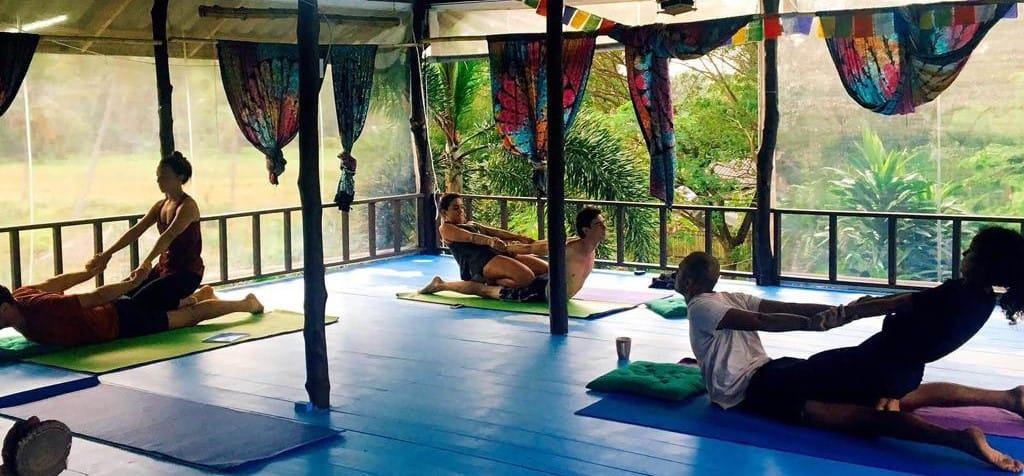
Thai massage combines rhythmic pressure, assisted stretching, and joint mobilization to work the body globally. It promotes mobility, circulation, and energetic flow. Sessions adapt to individual rhythm, encouraging muscular openness and renewed movement awareness.
Who is it for?
• Body stiffness or limited flexibility
• Physically active people
• Feeling of heaviness or blockage
• Those seeking revitalization
Evidence
Clinical studies show short-term improvements in mobility and pain perception. Thai massage is considered a traditional complementary bodywork practice.
Craniosacral therapy uses gentle, precise touch to support nervous system regulation. The subtle work aims to release deep tension influencing posture, breathing, and inner calm. Many describe the experience as restorative and deeply relaxing.
Who is it for?
• Nervous overload or chronic stress
• Internal tension or fatigue
• Sensitive individuals
• Deep relaxation seekers
Evidence
Some studies indicate potential benefits for chronic pain and relaxation, though research quality varies. It is presented as a complementary wellness approach.
Foot reflexology stimulates reflex zones believed to correspond with different body areas. Through targeted pressure, sessions promote relaxation, body awareness, and natural regulatory processes. Many people experience overall balance and rest.
Who is it for?
• Stress or difficulty relaxing
• General fatigue
• Preference for gentle therapies
• Mental rest
Evidence
Some studies associate reflexology with reduced anxiety and pain perception. It is considered a complementary wellness practice.
BioNeuroEmotion is an emotional awareness approach exploring connections between experiences, beliefs, and emotions. Sessions invite conscious reflection to identify patterns and support personal clarity.
Who is it for?
• Self-awareness seekers
• Emotional blockages
• Desire for clarity
• Conscious emotional management
Evidence
Currently, no strong scientific evidence comparable to validated clinical therapies exists. It is offered as a wellbeing and reflective support — not medical or psychological treatment.
Massage & clinical practice
Ruth Werner — A Massage Therapist’s Guide to PathologyCraniosacral therapy
John E. Upledger — Craniosacral TherapyThai massage
Asokananda — The Art of Traditional Thai Massage
UNESCO — Nuad Thai traditional massageReflexology
Beryl Crane — Reflexology: The Definitive Practitioner’s Manual
Eunice D. Ingham — Stories the Feet Can TellSports massage
Sandy Fritz — Sports & Exercise MassageThese therapies are wellness-oriented and do not replace medical diagnosis or treatment. If you have a medical condition, consult a healthcare professional.
A bit more about me
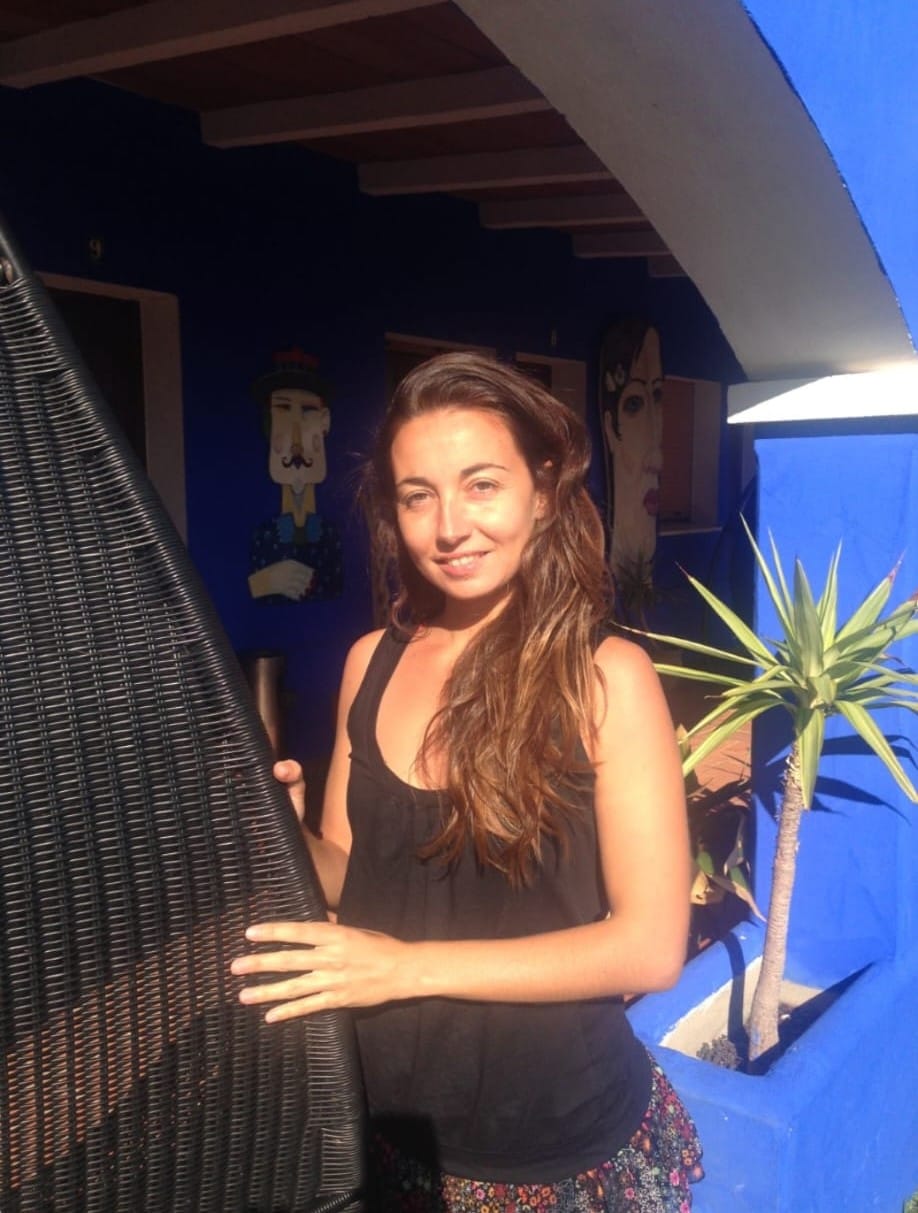
Fifteen years ago I left my city and my teaching career. My life changed completely as I entered the world of therapies and discovered my true passion.
Many clients continue returning to Tarifa year after year to recover with me by the sea — it is always an honor to welcome them back.
Or call: 📱 +34 620 522 693
Frequently Asked Questions
Aqui tienes las preguntas mas frequentes y las respuestas bien compactas, cualquier duda simplemente llama
• Is it only for athletes?
No. It is useful for anyone experiencing muscular overload.
• Can it be painful?
It can feel intense, but it is always controlled and adapted to your comfort.
• Does it help muscle recovery?
Yes, it supports circulation and muscular release.
• When is the best time to receive it?
Before or after physical activity.
• Does it help with muscle knots?
Yes, it is specifically designed to release them.
• How long does a session last?
Usually 60 or 90 minutes.
• Can I train after the session?
That depends on the intensity of the treatment.
• Does it prevent injuries?
It can help reduce accumulated tension that may lead to injury.
• Is it suitable for surfers?
Especially — it’s very beneficial.
• What will I feel afterward?
Lightness and improved mobility.
• What is relaxation massage for?
It helps reduce stress, muscular tension, and mental fatigue.
• Does relaxation massage hurt?
No. It is designed to be comfortable and deeply calming.
• How long do the relaxing effects last?
Many people feel relief for hours or even days.
• Can I fall asleep during the session?
Yes — that’s completely normal.
• Does it help with insomnia?
It can support deeper rest.
• Are oils used?
Yes, usually gentle oils or aromatherapy.
• Is it suitable for sensitive people?
Yes — pressure is fully adapted.
• How many sessions are recommended?
It depends on your level of stress or need.
• Can I receive it regularly?
Yes — it’s ideal as preventive self-care.
• What should I do afterward?
Hydrate and allow yourself to rest.
• Is it done on a massage table?
No — it is typically performed on a mat.
• Do I need to undress?
No — you wear comfortable clothing.
• Does it hurt?
It can feel intense, but also very releasing.
• Will I be stretched a lot?
Stretching is adapted to your flexibility.
• What is it good for?
Improving mobility and energy flow.
• Is it relaxing?
Yes — although it is more active.
• Is it like assisted yoga?
Many people describe it that way.
• Is it suitable for beginners?
Yes.
• How long does it last?
60–90 minutes.
• What will I feel afterward?
Greater openness and freedom of movement.
• What does it involve?
Gentle touch applied to the body.
• Is there a lot of movement?
No — it is very subtle.
• What is it for?
Deep relaxation.
• Will I feel anything?
Many people experience a strong sense of calm.
• Is it painful?
No.
• Can I fall asleep?
Yes — that’s common.
• How long does it last?
Around 60 minutes.
• Is it suitable for everyone?
Generally yes.
• Are there side effects?
Usually none.
• What will I notice afterward?
Calmness and clarity.
• Are only the feet worked on?
Yes.
• Does it hurt?
It can feel sensitive in tense areas.
• What is it for?
Supporting general relaxation.
• Does it help with stress?
Yes.
• Is it relaxing?
Very much so.
• How long does it last?
30–60 minutes.
• Can I walk afterward?
Yes — normally without any issue.
• Is it suitable for everyone?
Yes — with adaptations if needed.
• How many sessions are recommended?
Depends on your needs.
• What will I feel afterward?
Balance and rest.
• What is BioNeuroEmotion?
An emotional self-awareness support process.
• Is it medical therapy?
No.
• What is it for?
Exploring emotional patterns.
• Is there a lot of talking?
Yes — it is reflective in nature.
• Is there physical contact?
Not necessarily. It can also be done online.
• Can it be combined with massage?
Yes.
• How long does a session last?
60–90 minutes.
• Do I need preparation?
Only openness and willingness.
• Is it psychological therapy?
It is supportive guidance, not clinical therapy.
• What does it provide?
Emotional clarity.
Legal Notice · Terms of Service · Privacy Policy · Copyright